Best Family Games for Christmas: Who It Suits and Who Should Skip It
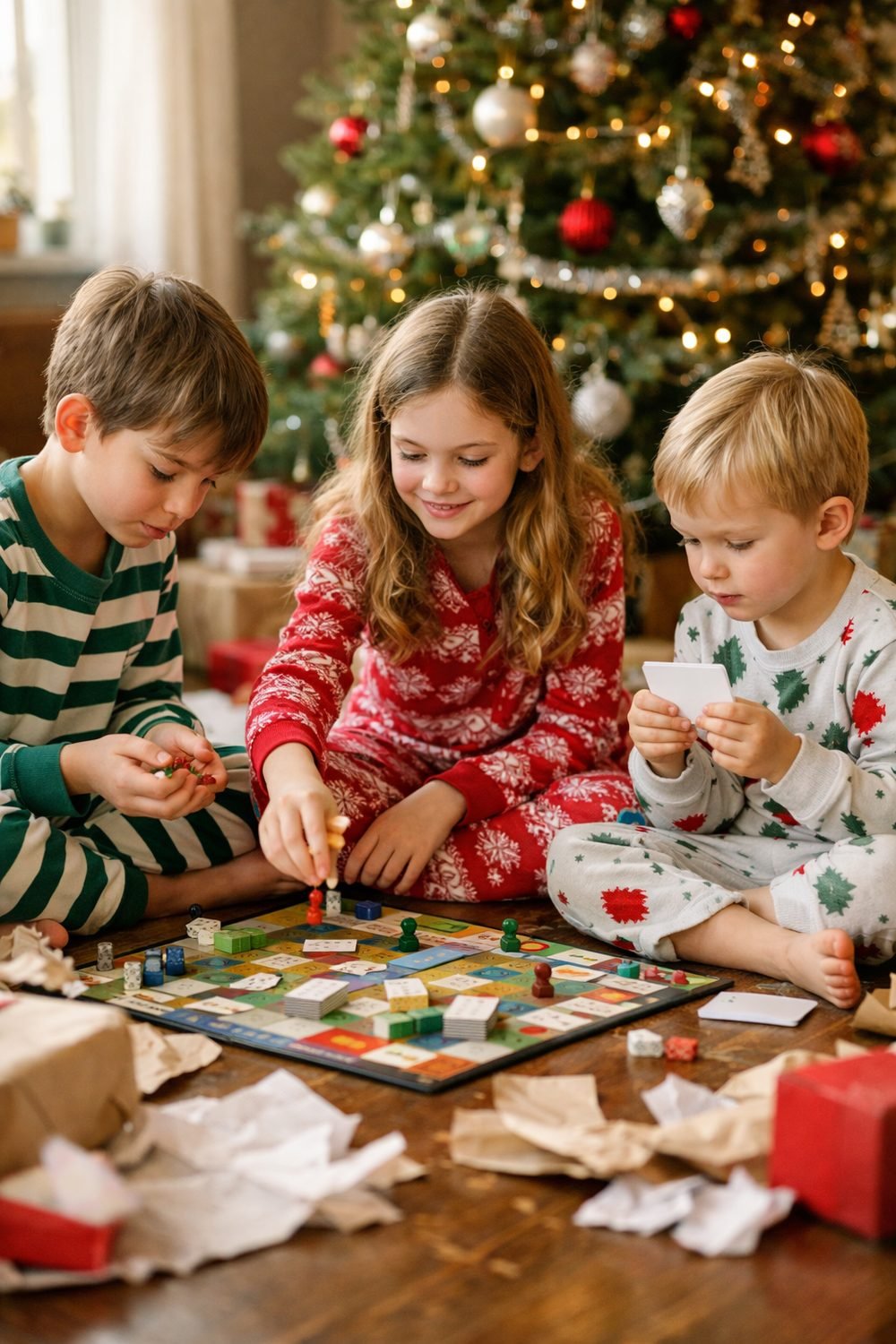
Christmas visits mean mixed ages, shared tables, and at least one person who says "I don't really play games" and then ends up winning. Hosting, being the guest, and hauling the wrong game across town are all common pitfalls when hunting for the best family games for Christmas.
So instead of a list of boxes to buy, here's a list of game types matched to the kind of family you actually have. Each one says who it suits, who should skip it, and one thing I'd do differently next time.
Short on time? Our top picks: Uno, Codenames, Pandemic and Forbidden Island. See all picks
1. Easy-Rules Family Games to Play at Christmas with Visiting Relatives
When Grandma, a nine-year-old and your cousin's new boyfriend are all at one table, simple wins. Think matching games like Uno, quick trick-taking games, or anything where you can explain the rules in two minutes while someone's still finding their glasses.
Who it suits: big mixed groups, people who don't see each other often, and anyone who gets nervous about "learning a new game." Who should skip it: families who already play strategy games every weekend. They'll be bored by round three and start inventing house rules.
Bringing a game with a 20-page rulebook to a relative's house is a good way to stall the evening. We never opened it. A plain deck of cards got passed around for three hours instead.
Tip: Before you visit, play one round at home so you can teach it fast. Nobody wants to watch you read the instructions out loud.
2. Grab-and-Go Christmas Day Family Games for Busy Hosts
If you're the one cooking, you don't have time to sort 200 tiny pieces. You want a game that comes out of the box and starts. Party games with a stack of cards and a timer are great for this, and so are simple dice games.
Who it suits: hosts juggling food, guests and a dog that keeps stealing napkins. Who should skip it: honestly, almost nobody, but if your family loves a long, slow game after dinner, a quick filler might feel thin.
Here's my honest opinion: setup time matters more than most reviews admit. A fun game that takes 25 minutes to set up usually stays on the shelf at Christmas.
Tip: Check the box or the seller's page for the listed setup and play time. Then add ten minutes, because holidays always run long.
3. Cooperative Games for Quiet Families
Not every family enjoys beating each other, so popular family board games with a team goal can be a gentle fit. In a cooperative game such as Pandemic, everyone plays together against the game itself. You win or lose as a team, which takes the sting out of it.
Some families lean quiet. We like to talk things through, and cooperative games give us a reason to do that without anyone sulking at the end. There's a lot of "okay, what if you go first and I hold this card" kind of chatter, and it's lovely.
Who it suits: calm groups, younger kids who hate losing, and families where one competitive person tends to take over. Who should skip it: groups that love trash talk. Some people need a winner and a loser to care.
Tip: Watch out for one "boss" player telling everyone what to do. If that happens, try a rule where people can only suggest moves on their own turn.
4. Fun Games to Play at Christmas with Family: Team Games for Loud Households
If your family is the kind that shouts over each other at dinner, lean into it. Team games like charades, drawing-and-guessing games such as Pictionary, or word-clue games such as Codenames let that energy go somewhere useful.
These are the games that make the best stories. Uncle acting out a movie title with a dinner roll. The quiet teen who suddenly turns out to be brilliant at guessing. That stuff gets retold for years.
Who it suits: larger groups, people who like to perform, and anyone who'd rather laugh than think hard. Who should skip it: shy guests and small groups of three or four. Team games need enough people to feel lively.
Tip: Mix up the teams so the grown-ups aren't all on one side. Pair a kid with a grandparent. It's almost always the best team in the room.
5. Best Family Board Games for Small Spaces and All Ages
This one catches people out. You buy a game, get to your sister's flat, and realize the board is bigger than her coffee table. Then you're playing on the floor with the cat walking through it.
Card games, small tile games and travel versions are your friends here. Some games also play fine with people sitting on the sofa holding their own cards, which helps a lot in a tiny living room.
Who it suits: apartment dwellers, anyone traveling by train or plane, and families squeezing ten people around a table built for four. Who should skip it: people with a big table who love a game that looks impressive when it's set out. A small box can feel a bit underwhelming as a gift.
Tip: Look for the board or play area size on the seller's page, then measure the table you'll actually use. It takes one minute and saves real frustration.
6. Conversation Games for the Grown-Ups After the Kids Go to Bed
Late on Christmas night, once the little ones are asleep, the mood changes and Christmas board games for families give way to quieter ones. People are tired, full and a bit soft. That's when question cards work really well. No score, no rules to learn, just questions that get people talking.
For couples, there's a set called Conversation Cards for Couples: 100 Questions below this post. It's not a family game, to be fair. But it's a nice little extra if you're hosting your partner's parents and want a quiet hour together after everyone heads to bed.
Who it suits: couples, close friends and adults who enjoy talking more than competing. Who should skip it: groups that want action or kids who are still wide awake.
Tip: Let people skip any question they don't like. It keeps things relaxed and stops anyone feeling put on the spot.
If you're planning who gets which game this year, my free Holiday Gift List and Budget Page can help you keep track, and you can grab it in the sign-up box on this page.
7. Family Christmas Games with Gifts: Buying a Game
Giving a game is a little risky, even when you pick one of the top rated family board games. You might pick something the family already owns, or something that's a bit too hard for the kids. Both mistakes are easy to make. One year my nephew got the same game from me and from his other aunt. We laughed, but one went back to the store.
That's why I always check the return terms before I buy. Some shops won't take a game back once the plastic wrap is off, and some have short return windows over the holidays. Read the seller's page so you know where you stand.
Writing it all down also helps. If you like having a plan, the Gift and Celebration Planner and Checklist Bundle below this post has space for that sort of thing. Paper or phone, whatever you'll actually use.
Tip: Tuck a gift receipt inside the box. It quietly tells the person, "no pressure if this isn't your thing."
8. What I'd Skip
A quick honest note. You can skip anything marketed as "the game everyone's talking about" unless you've read real reviews from families like yours. Hype doesn't tell you if it works for a seven-year-old and a seventy-year-old at once.
Be careful with games that need a phone or app to play. They can be fun, but at Christmas someone's battery is always dead and the Wi-Fi password is on a sticky note nobody can find.
Tip: Check the age range on the box, but also think about the youngest and oldest person who'll play. That gap matters more than the number on the box.
Family Games Worth a Look
Here are a few well-known games that match the types above. Think about your own group first, then check the details before you buy.
Uno
A familiar card game that suits big mixed-age tables and nervous first-time players. Check the age range on the box and whether you'd rather have a standard deck or a themed version.
Codenames
A team word-clue game that suits lively groups who like to talk and laugh. Check the recommended player count, since it works best with enough people to form two teams.
Pandemic
A cooperative game that suits families who like working toward a shared goal. Check the age range and how long a round takes, since it can feel heavy for younger kids.
Forbidden Island
A cooperative game that can suit families with school-age kids and a bit of patience for rules. Check the listed play time and the space it needs on your table.
Pictionary
A drawing and guessing game that suits loud households and mixed teams. Check which edition you're buying, as versions differ in how they play.
Exploding Kittens
A quick card game that suits hosts who want something that starts fast and fits a small space. Check the content and age guidance first, because the humor won't suit every family.
Ticket to Ride
A route-building board game that suits families who enjoy a longer, calmer game after dinner. Check the board size against your table, and give yourself time to teach the rules.
Please check current plans and prices on each brand's own site before you buy.
FAQ
What are the best family games for Christmas with a big mixed-age group?
Simple card games and team guessing games tend to work best. They're quick to learn and don't punish newer players too much. Try one round before the big day so you can teach it fast.
Are cooperative games good for young kids?
They often are, because nobody loses on their own. Kids get to help and feel part of the team. Check the age range on the seller's page, since some cooperative games are pretty tricky.
How long should a Christmas game take?
Aim for something you can finish in under an hour. Holidays are full of interruptions like food, phone calls and someone needing help in the kitchen. Shorter games can be played again if everyone's having fun.
What if they already own the game I bought?
It happens more than you'd think. Include a gift receipt and check the return terms before buying, especially around the holidays. That way it's an easy swap, not an awkward moment.
If you're starting to plan your holiday shopping, grab the free Holiday Gift List and Budget Page from the sign-up box first. It's a simple way to see who you're buying for and keep your spending in check. Then, if they fit your plans, have a look at the planner bundle and the conversation cards below this post. Happy game night, and good luck with the dinner roll charades.
Printables and tools that can help
Conversation Cards for Couples: 100 Questions
One hundred printable question cards for date nights and quiet...
See detailsGift and Celebration Planner and Checklist Bundle
A printable bundle with a 30-day goal page, weekly planner and checklists for couples and families planning...
See details